
Published on Updated on
Sandbags or Bulk Bags? Choosing the Right Bag for Sand

Start with what happens to the sand after delivery. Will a crew place individual bags around a work area, or will a plant empty a large load into its process? That difference matters more than whether both products are called bags.
Small sandbags for placement on site
Woven polypropylene sandbags are used for temporary ballast, erosion control and barriers. The bag size and fill weight need to suit the work and the handling arrangements. A bag that can hold more sand is not automatically a better choice for a crew that must move it repeatedly.
Our sandbag range includes tie-tape and sewn closures. Confirm whether bags will arrive empty, where they will be filled and how they will be transported to the work area. For flood protection, follow local emergency guidance on placement; buying bags alone does not establish an effective barrier.
Bulk bags for moving and storing larger loads
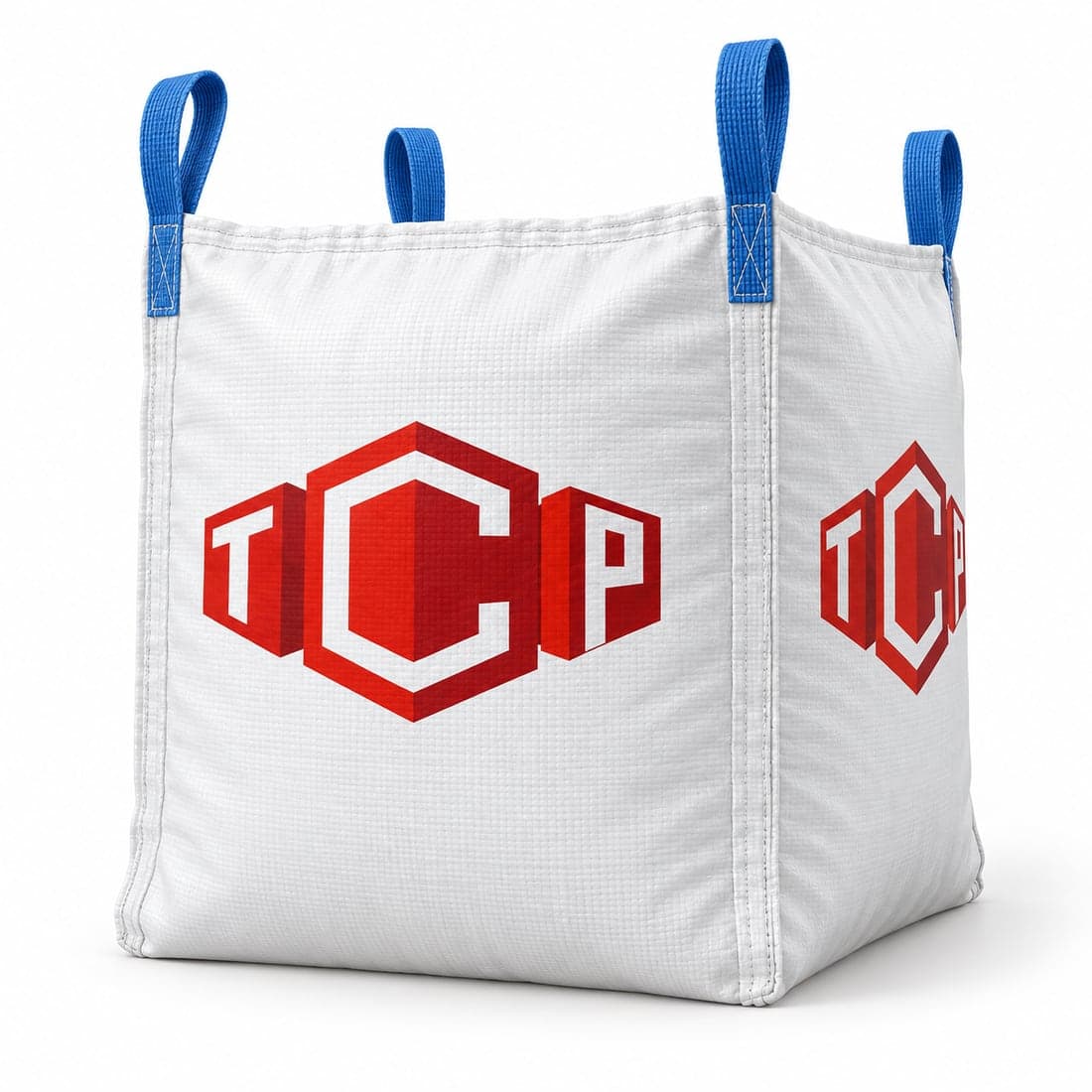
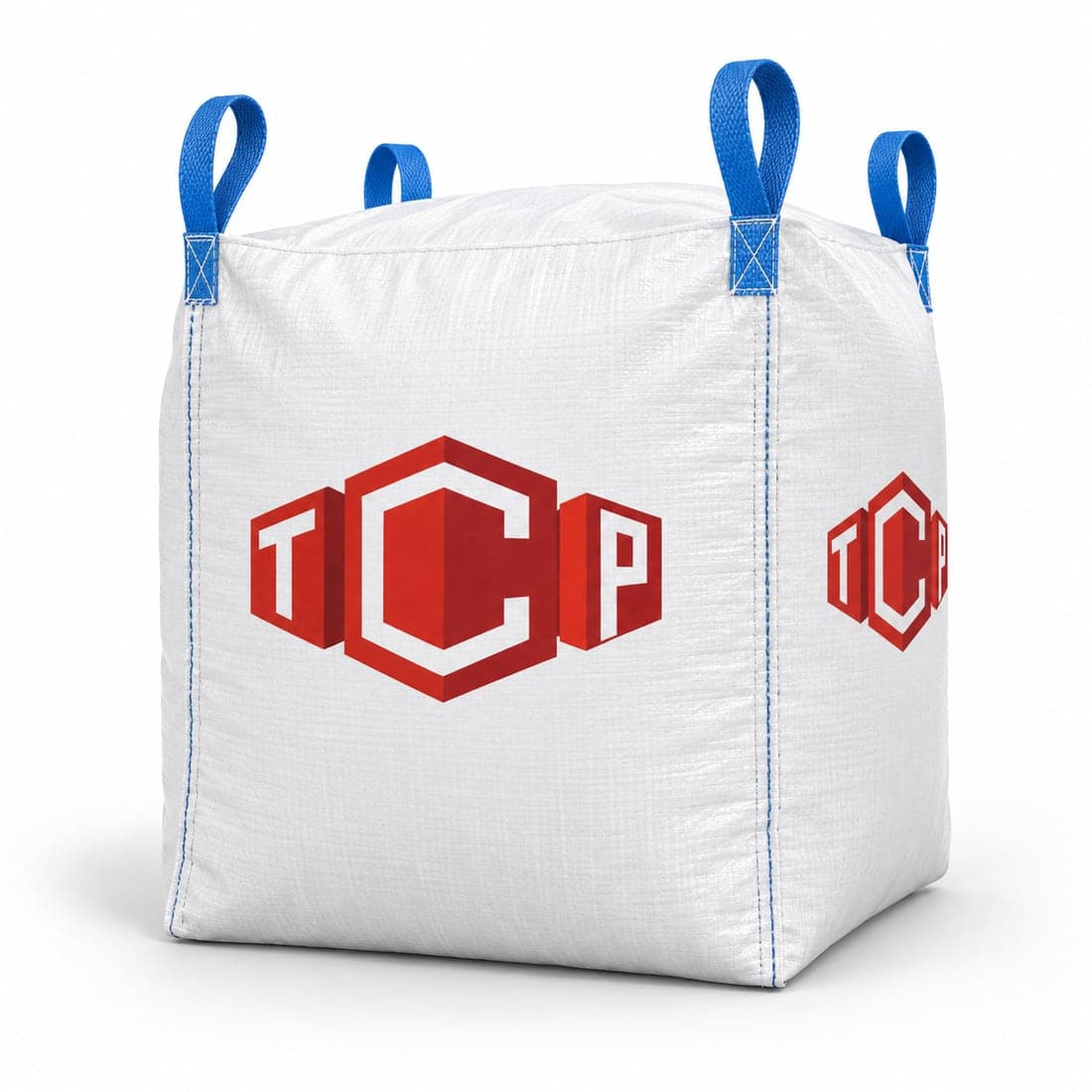
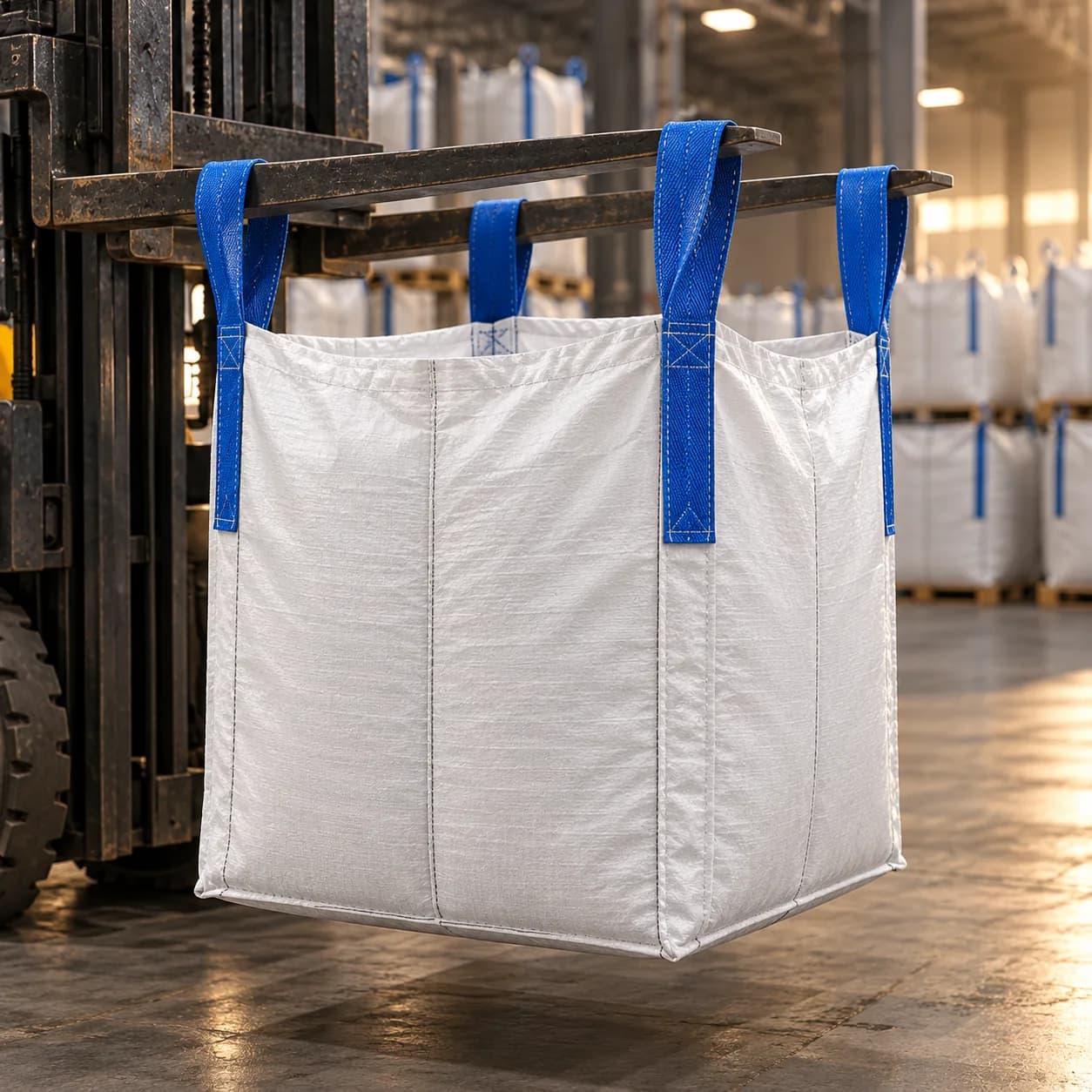
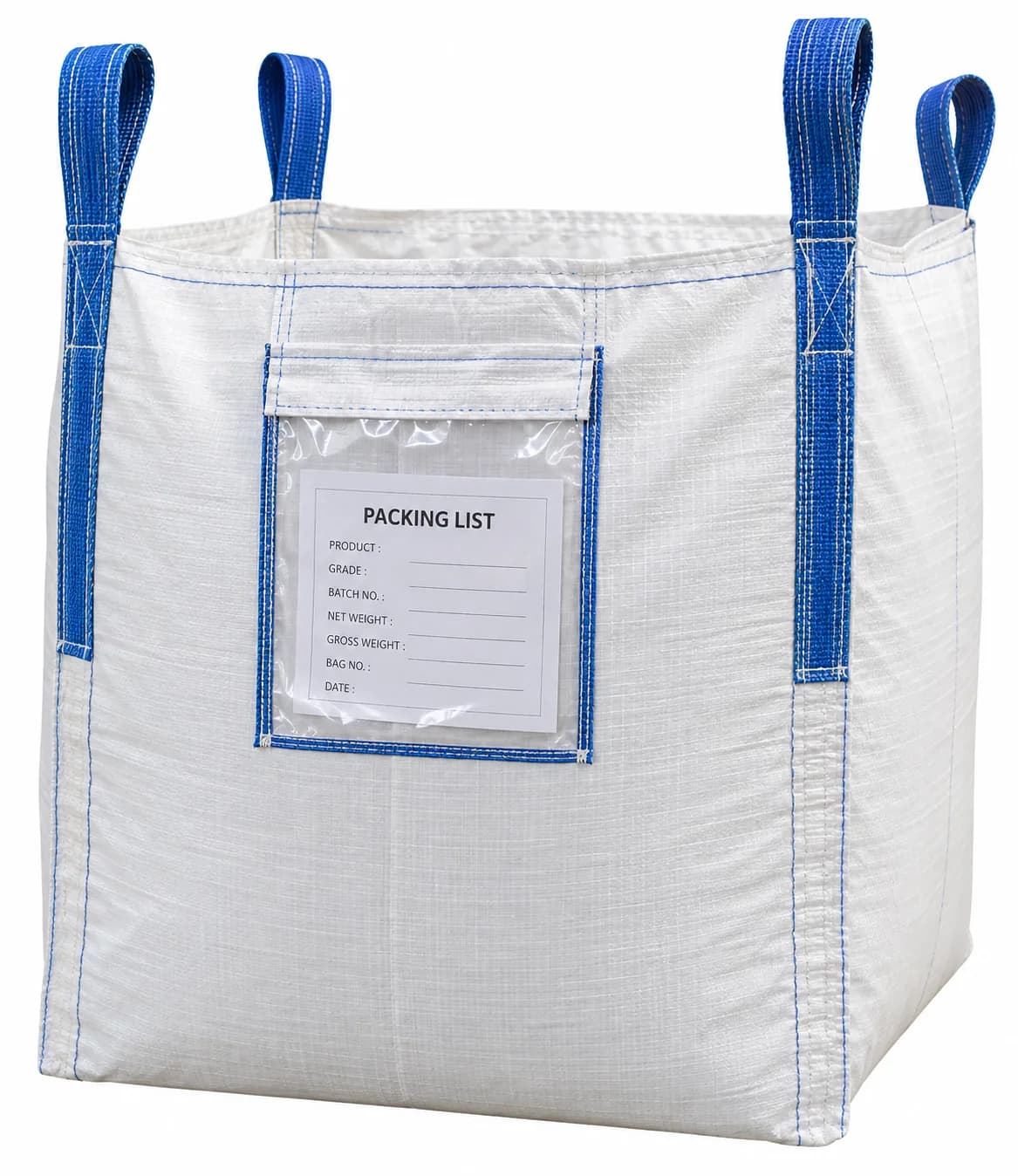
An FIBC bulk bag has lifting loops and must be matched to suitable handling equipment. It can keep a shipment in separate units for storage and discharge, provided the recipient can handle the filled bag.
For sand, agree the fill weight, rated load and dimensions before ordering. Fine material may also need sift-resistant seams or a liner. Ask how the bag will be discharged: an opening that works at one plant may not connect to the equipment at another. Our sand packaging page is a starting point for that discussion.
Outdoor exposure needs its own specification
Ask about UV treatment, storage conditions and the intended exposure period. A laboratory UV rating does not by itself promise a fixed number of seasons outdoors. Confirm the supplier's storage and use instructions for the particular bag.
Likewise, do not assume a woven bag will keep sand dry. If moisture control matters, discuss the complete package, including coating, liner, closures and storage.
Using both formats on the same job
A site may receive sand in bulk and fill smaller sandbags near the work area. Before choosing that arrangement, check the filling space, equipment access and how the crew will move the filled bags. Compare it with other delivery arrangements using the actual site constraints.
- Who supplies the sand and who fills the smaller bags?
- What filled weights can the site handle safely?
- Where will empty and filled bags be stored?
- Does the order specify the required closures and outdoor exposure?
- Who will confirm the bulk bag rating and discharge arrangement?
Get a quote around the job
Send the intended use, quantities, fill weights and storage conditions to our team. Add the preferred dimensions and closures if you already know them. For an FIBC, Build a Bag can help collect the options for review.