
Published on Updated on
Bulk Bag Quality Checks: From Specification to Delivery
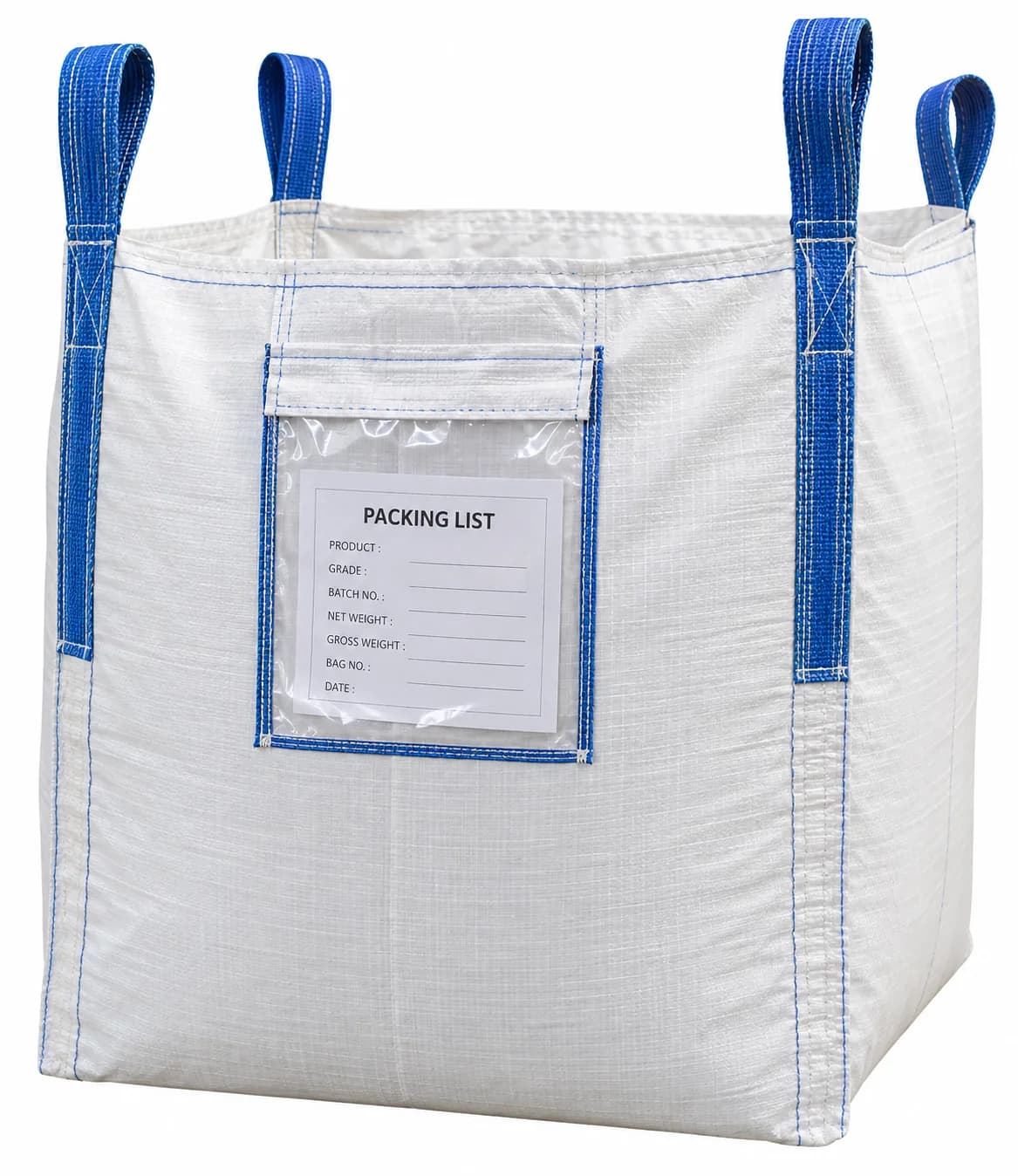
When a shipment of bulk bags arrives, you want to know that it matches what you ordered. A different liner or discharge opening can leave your team unsure whether the bags are suitable for the job. Clear order details give you something to check against, from the first drawing through to delivery.
Get the details right before production
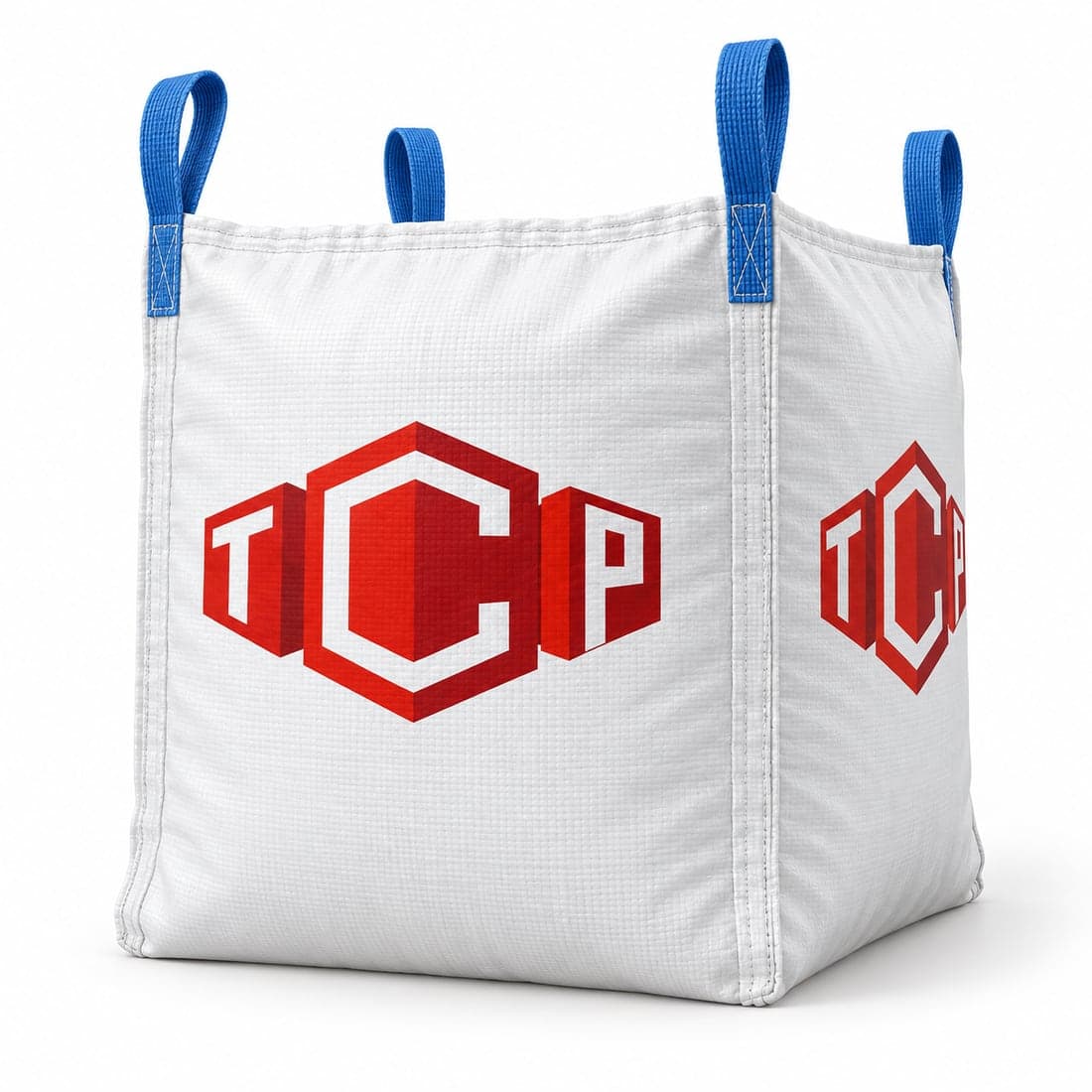
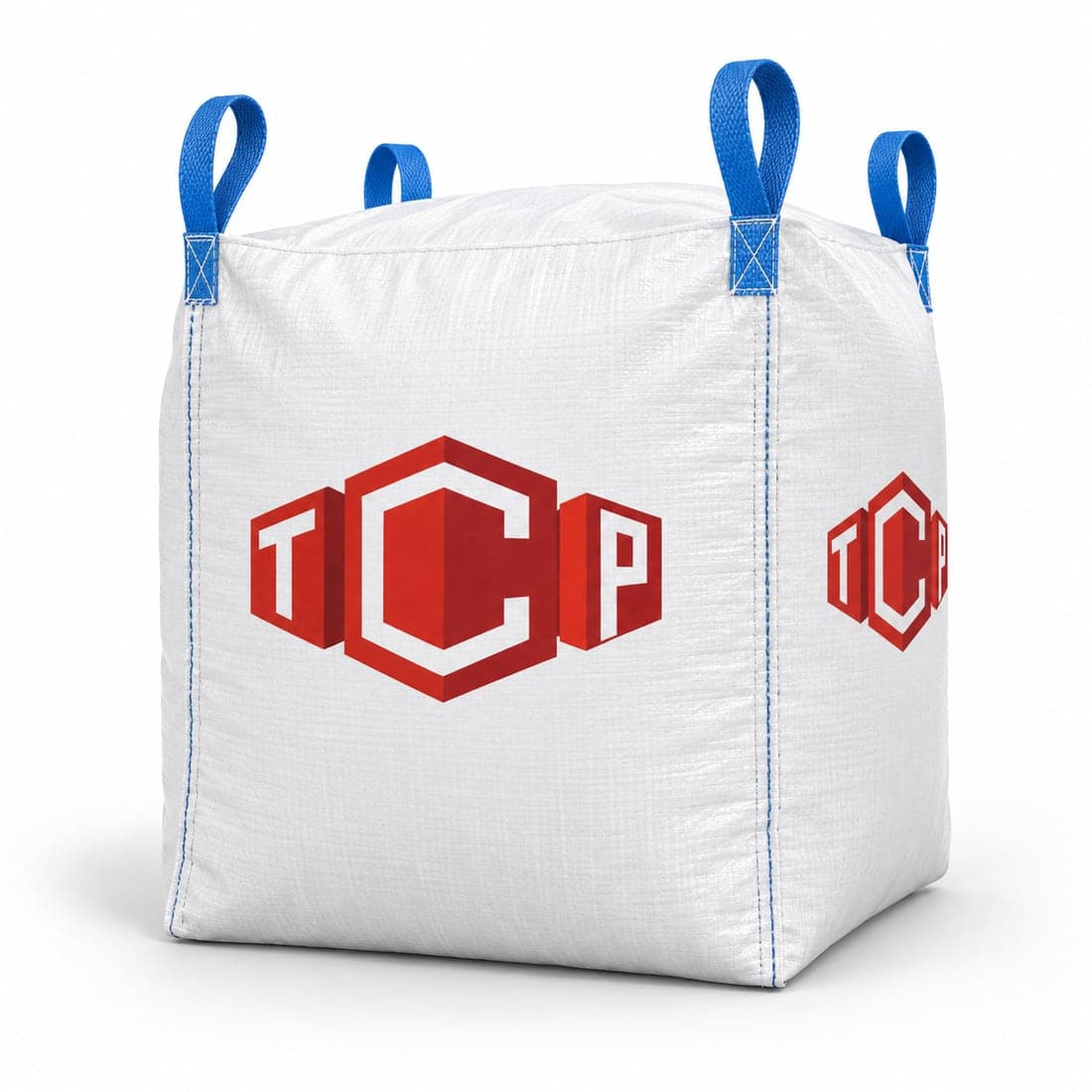
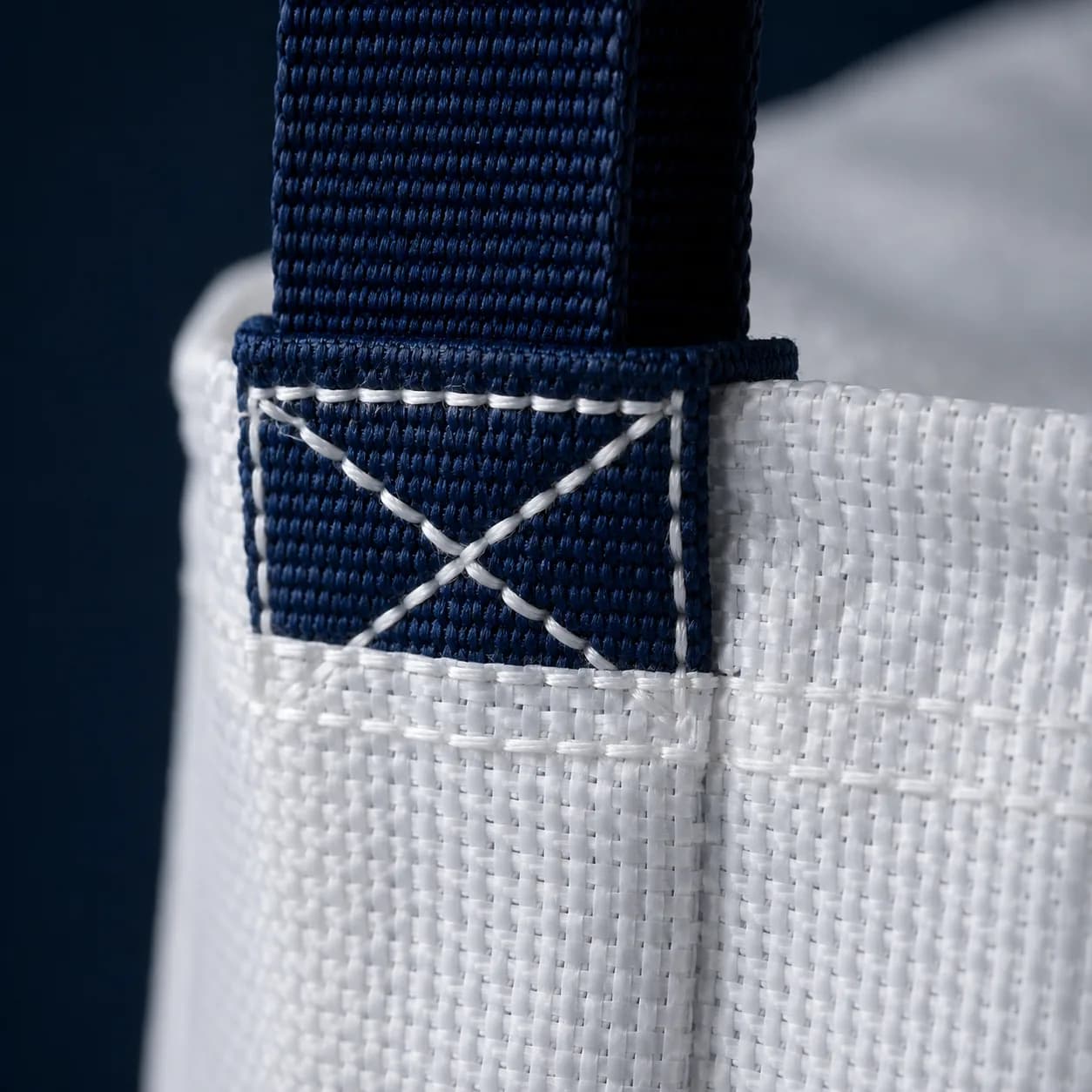
Start by sharing the drawing with the people who will fill and empty the bags. Work through the dimensions, filling and discharge openings, lifting loops, liner and printing together. Put any product-contact or certification requirements in writing, and agree which documents the supplier will provide.
Keep the approved sample reference with the matching drawing revision, too. 'Same as last time' sounds straightforward until someone has to work out which version you meant.
Talk through the quality checks
When discussing FIBC quality control, ask your supplier to explain the checks that apply to your bag design. Which materials are checked? What is inspected during production and after the bags are finished? Find out which checks use samples and which apply to individual bags, so you know what the results cover.
You can read about our programme in the bulk bag testing article. Use it as a starting point for a conversation with our team about the checks and records available for your order.
Give the receiving team what they need
An FIBC inspection report is easier to use when you can see which design, sample or batch it refers to. Keep it alongside the purchase order and approved specification, somewhere the receiving team can access. When the delivery arrives, work through these checks:
- Match the delivery details and bag identification to the order.
- Compare the supplied design with the approved drawing or sample reference.
- Check that the agreed documentation has arrived and note anything missing.
- Record visible damage or differences and ask the supplier to review them before use.
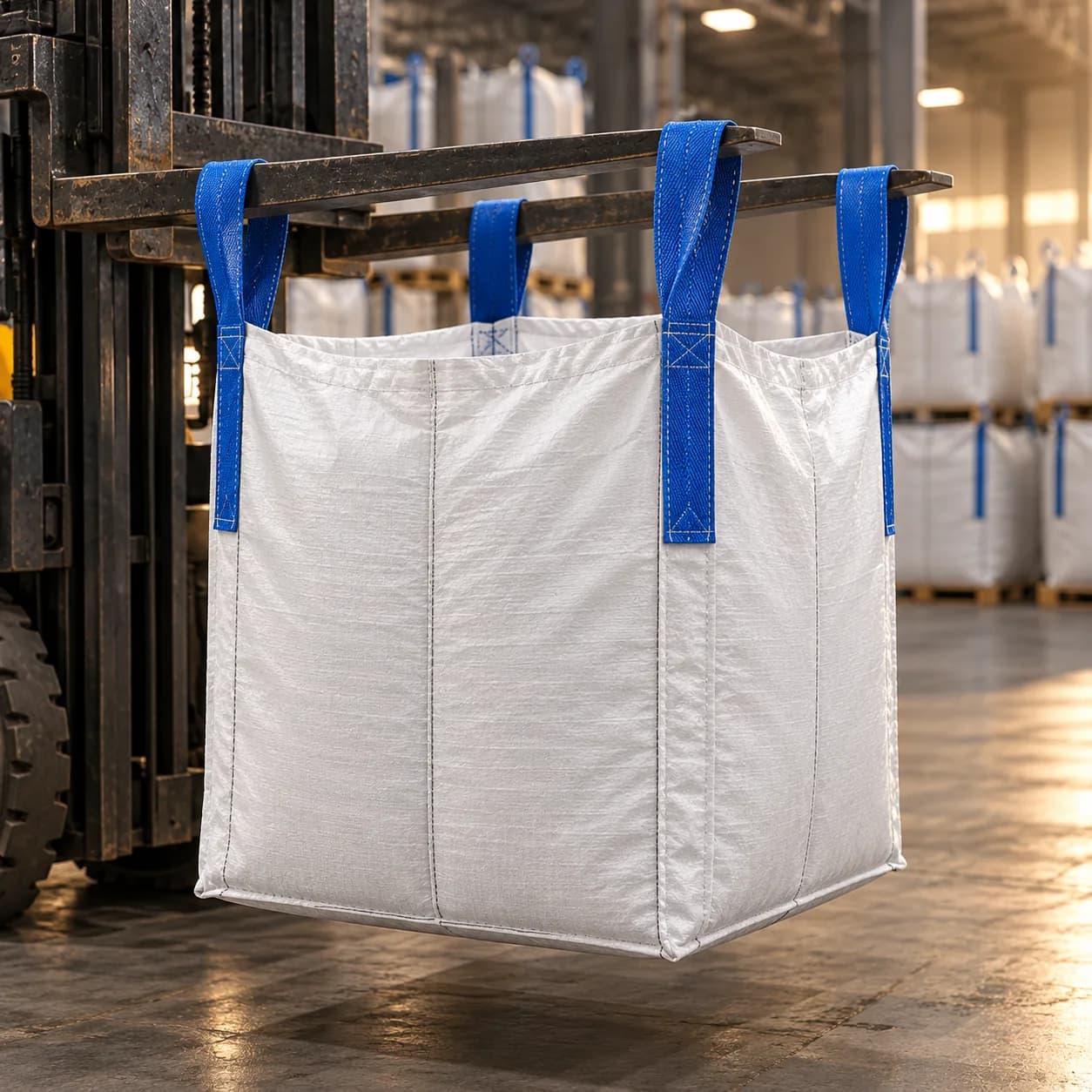
These receiving checks help identify discrepancies; they do not establish a bag's load rating or replace its handling instructions. For preparation before filling and lifting, see our FIBC safe-handling article.
Make the next order easier
If you change a liner, opening or another detail, save the revised drawing and note who approved the change. Keep those details with your reorder information so purchasing, production and receiving all have the same version next time.
If something in your Transcontinental delivery looks different from what you approved, contact our team. Send the order reference, bag identification and a short description of what you noticed. A clear photo can help us understand the issue and review it with you.