
Published on
Pecan Bags and Pecan Storage: Choosing Food Grade Bulk Bags and Sacks
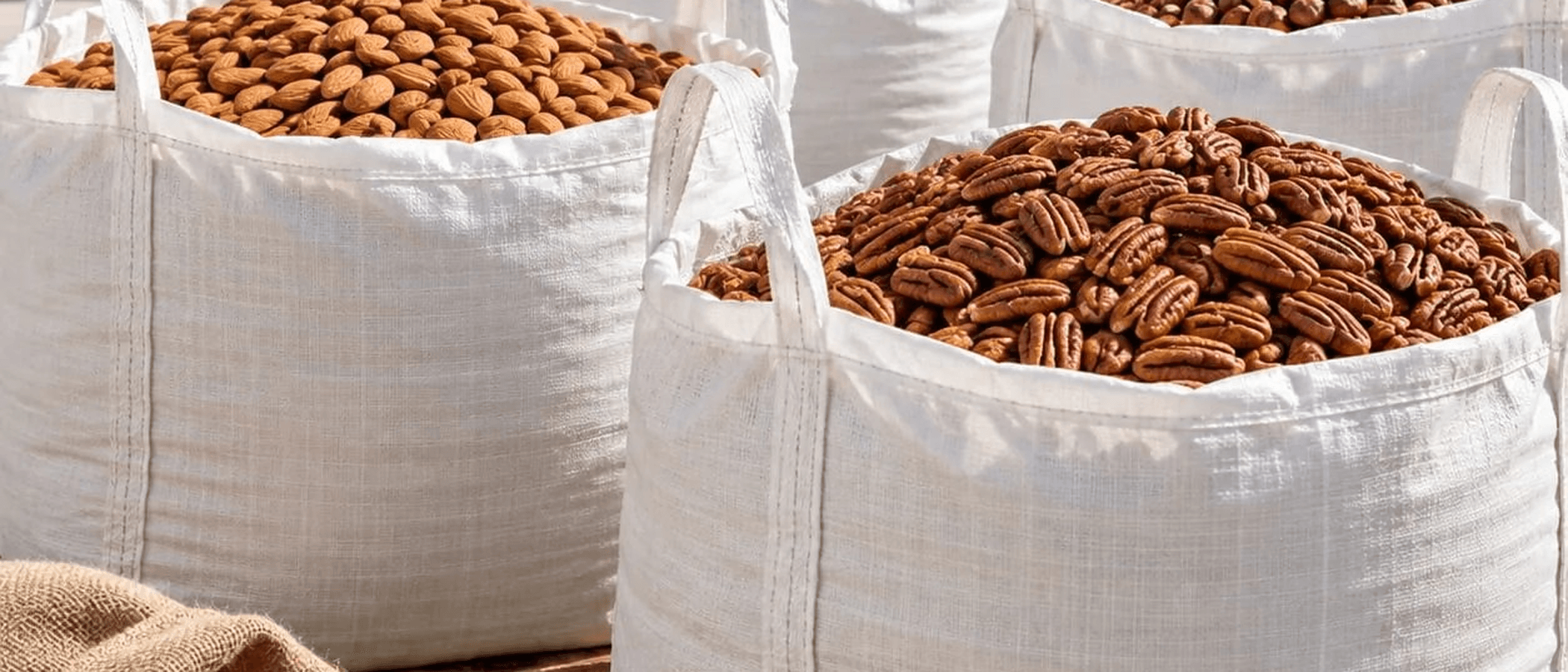
A pecan crop spends more time in a bag than most people think. It is bagged at harvest, sits in storage for months, goes through the sheller and then ships out again as kernels. A bag that does the job in October can be the wrong one by March.
Transcontinental Packaging supplies American Pecan Council-approved pecan bags and more than half a million bags a year to the nut industry, for family farms and large shellers alike. This guide covers the bags used at each stage, and the storage basics that decide how long the crop keeps.
Pecan bags: what the crop needs from a bag
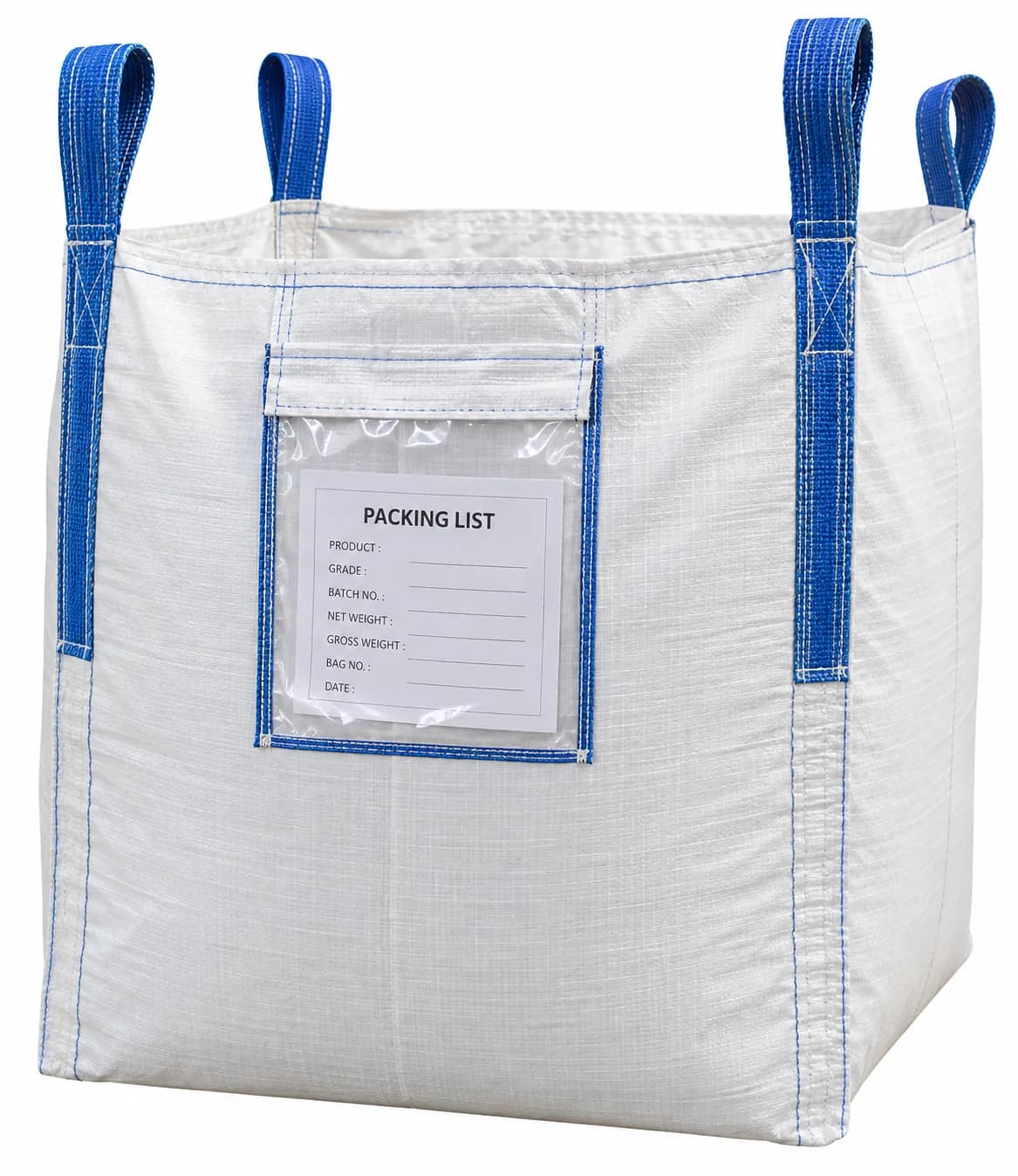
Pecans are a food, so any bag that touches them should be food grade. On our food grade bulk bag line, that means bags made from 100% virgin polypropylene resin in clean room conditions, at plants certified to BRC and HACCP that are inspected independently. After that, three questions decide which bag you need:
- Airflow: freshly harvested in-shell pecans still hold moisture, and a sealed bag traps it.
- Protection: dried pecans keep best when they are cold, dry and away from strong smells.
- Handling: how the bag is filled, lifted and emptied at your plant.
Ventilated bulk bags for harvest and drying
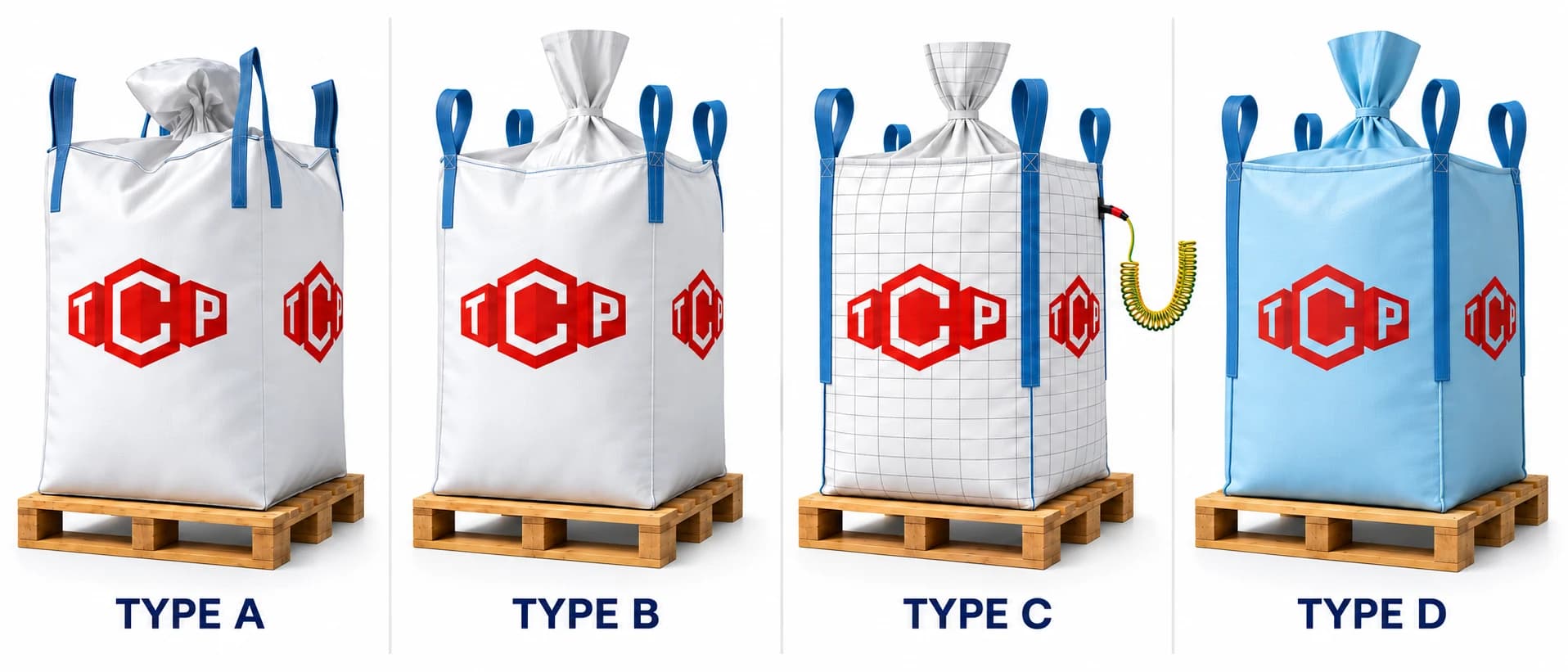
Pecans coming in from the orchard usually go into ventilated bulk bags. Mesh panels or an open weave let air pass through the nuts, not just around the outside, so the load keeps drying and does not sweat on the truck or in the yard. Our vented pecan bags hold anywhere from 1,000 to 4,000 lbs.
Colour helps at this stage too. Plenty of growers give each orchard, field or grade its own bag colour, so a lot can be found across a crowded yard, and a lot code printed on the bag keeps the paperwork straight.
Mesh pecan bags and pecan sacks
Buyers who ask for mesh pecan bags usually mean one of two things. At bulk scale, it is the ventilated bag above, with mesh in the side walls or an open weave all the way round. The open weave moves a lot more air than panels, which helps with a wetter crop or a longer haul. In smaller sizes, it is a pecan sack.
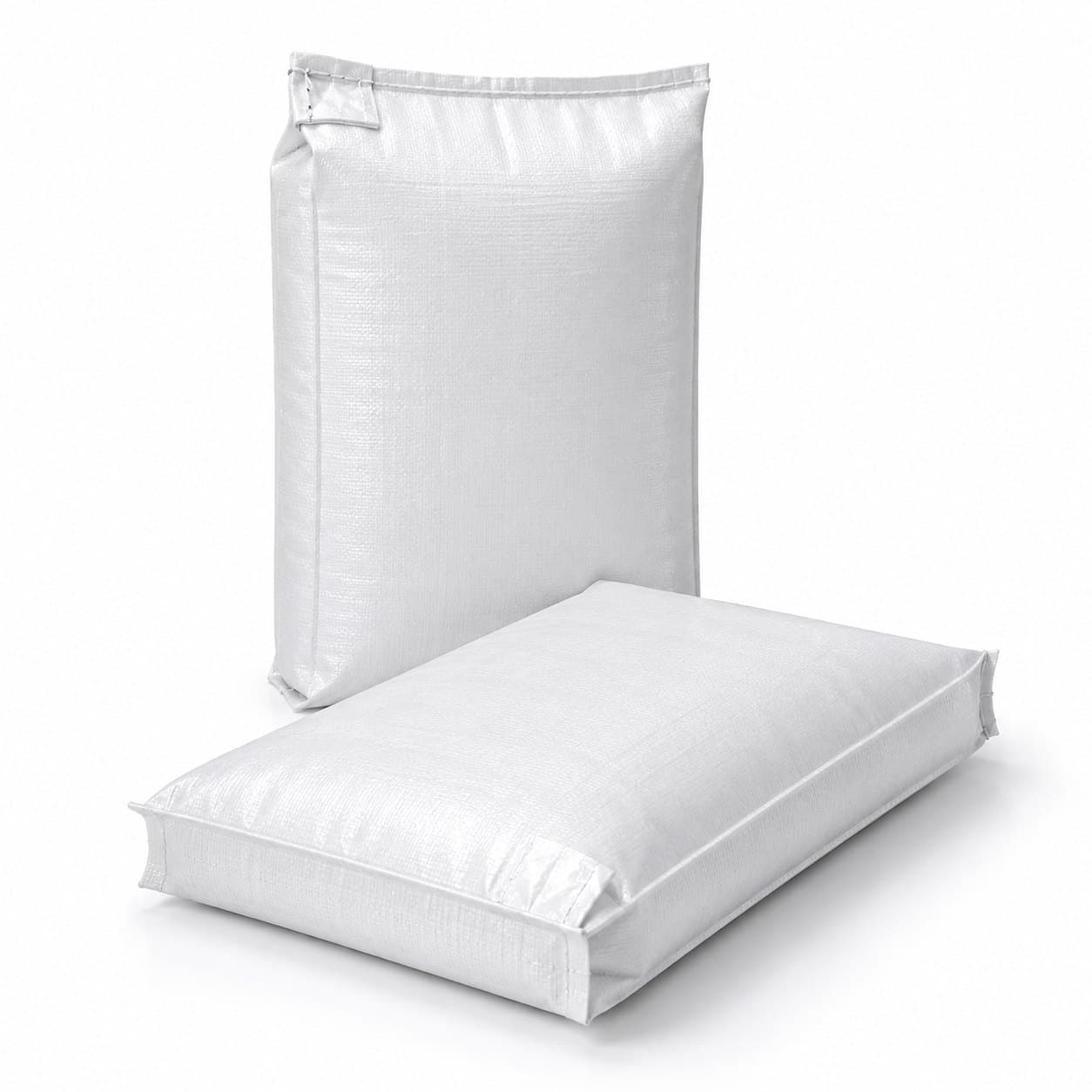
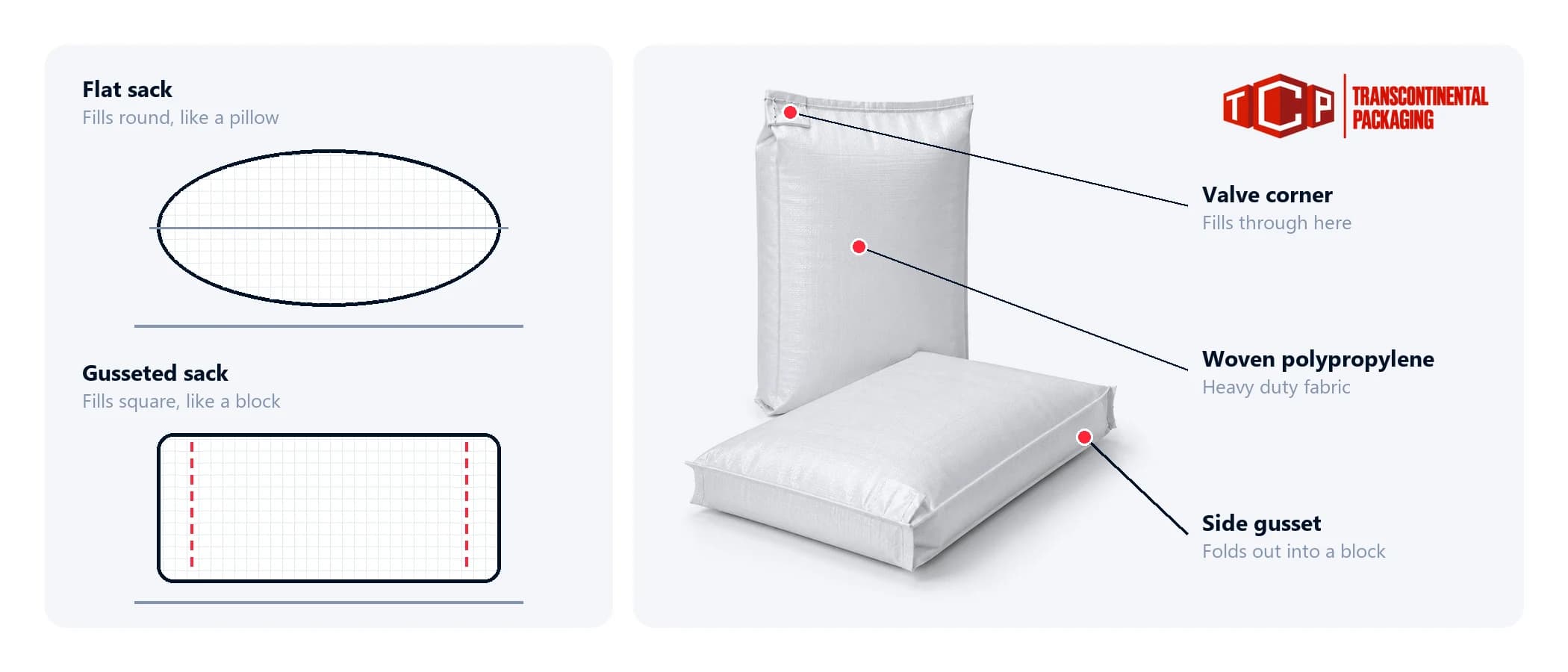
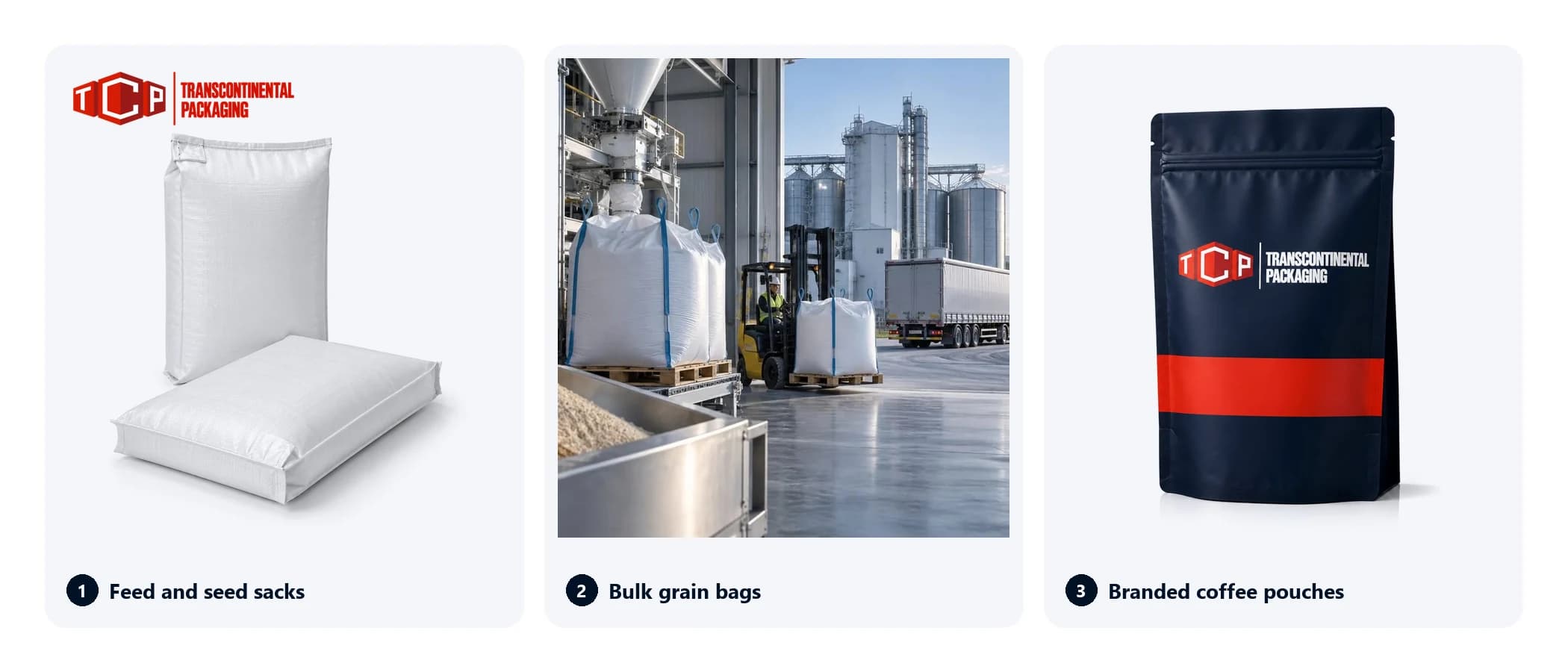
Pecan sacks are made from woven polypropylene and come in food grade fabric. Uncoated fabric lets the nuts breathe, and micro-perforation can be added so trapped air escapes as the sack fills. They print in several colours with your brand, the variety and the lot number, and they work well for smaller wholesale orders where a bulk bag holds far more than the customer wants.
Pecan bulk bags for storage and shelling
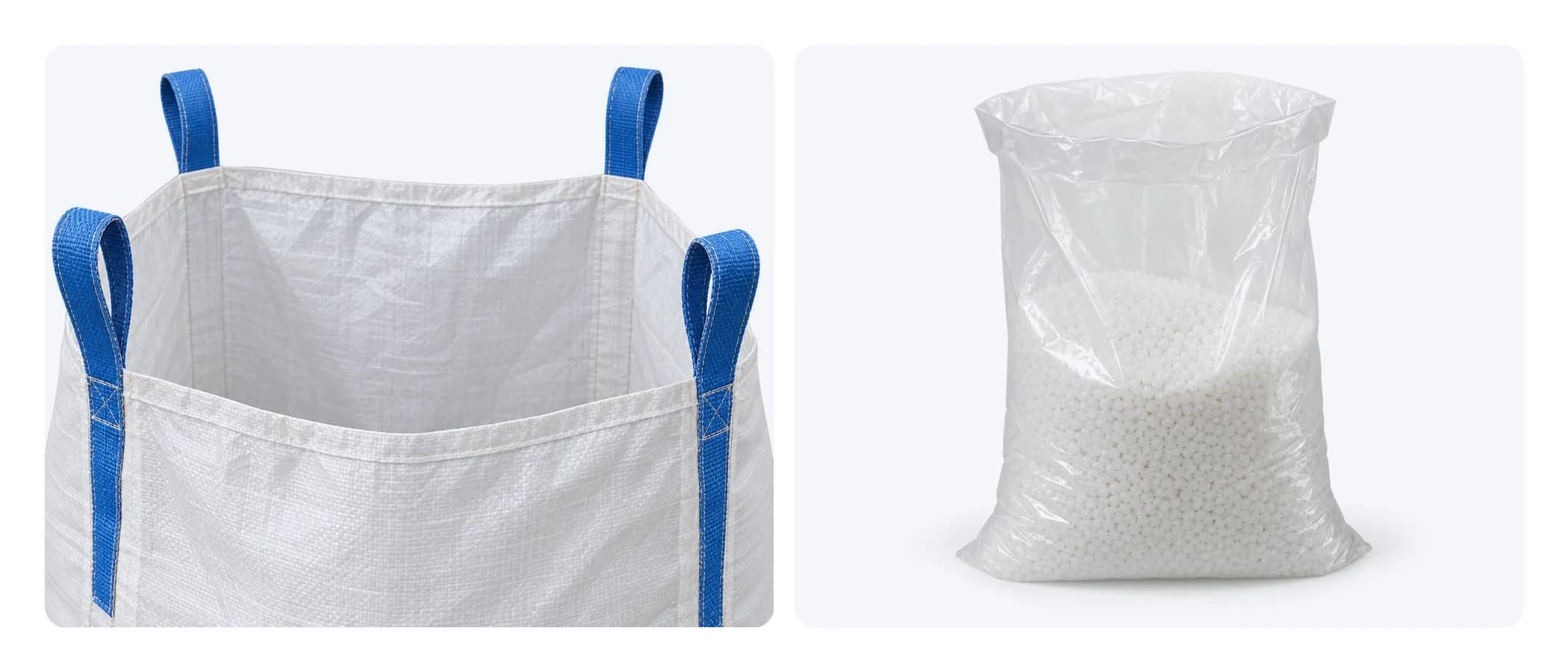
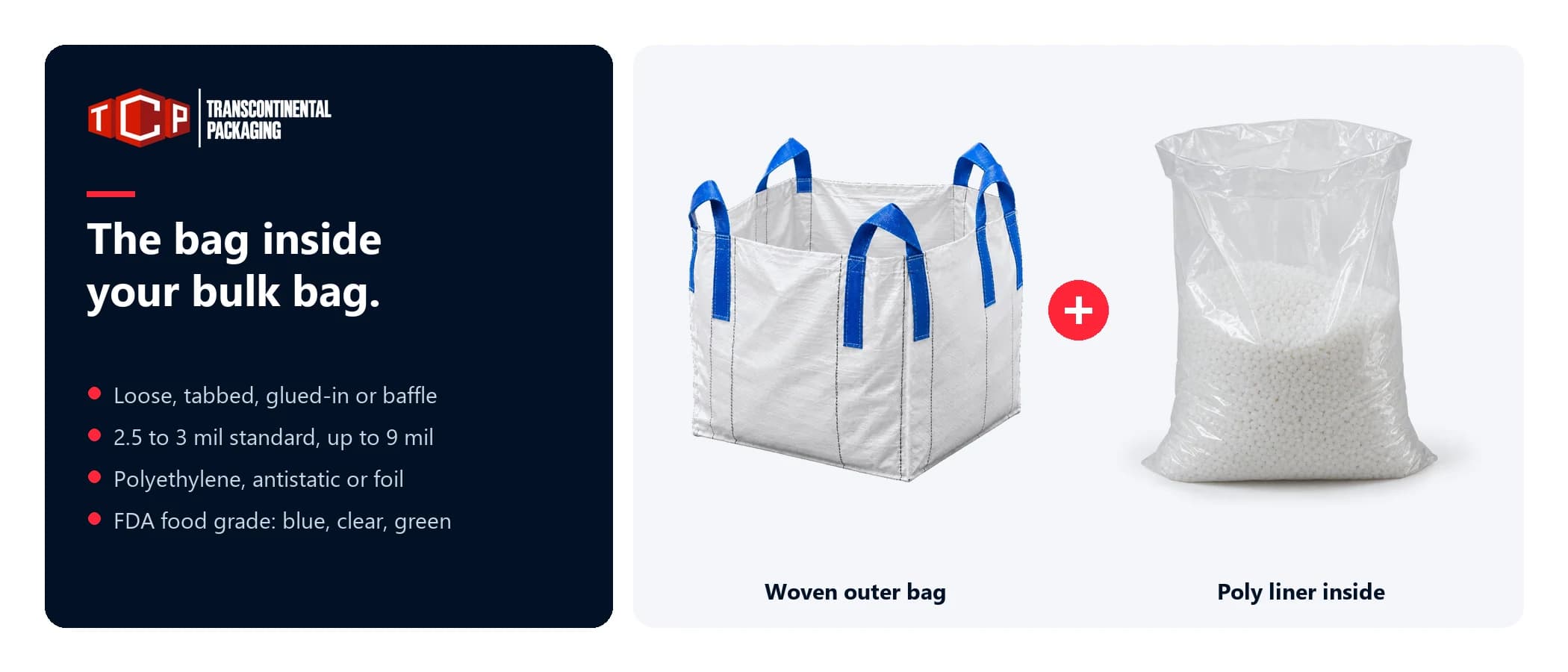
Once the nuts are dry, the bag's job changes from letting air in to keeping the crop clean and stable. For storage and for shelled kernels, pecan bulk bags often get an inner liner that meets FDA food rules. Shellers pick the colour for a reason: a torn piece of a blue one stands out against pecans on a sorting belt, a clear one shows the kernels without opening the bag, and a green one is sealed airtight.
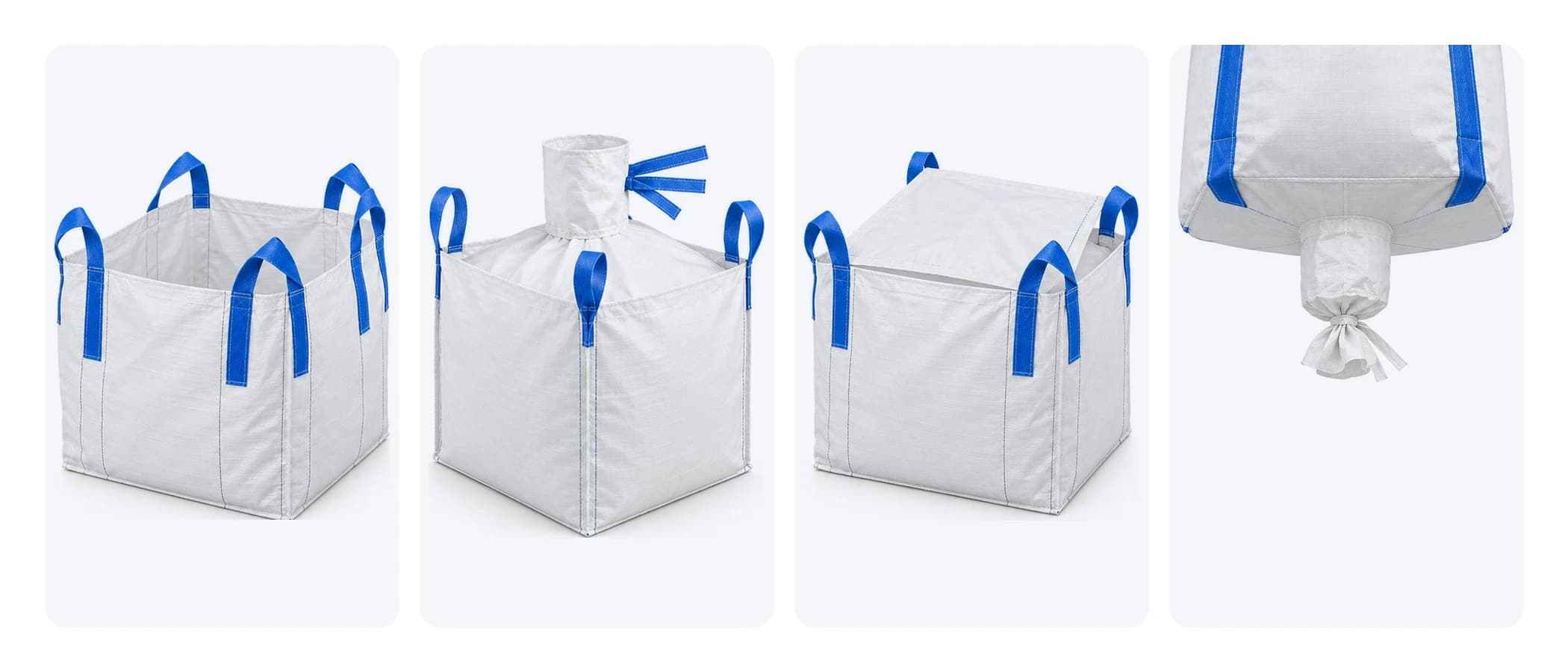
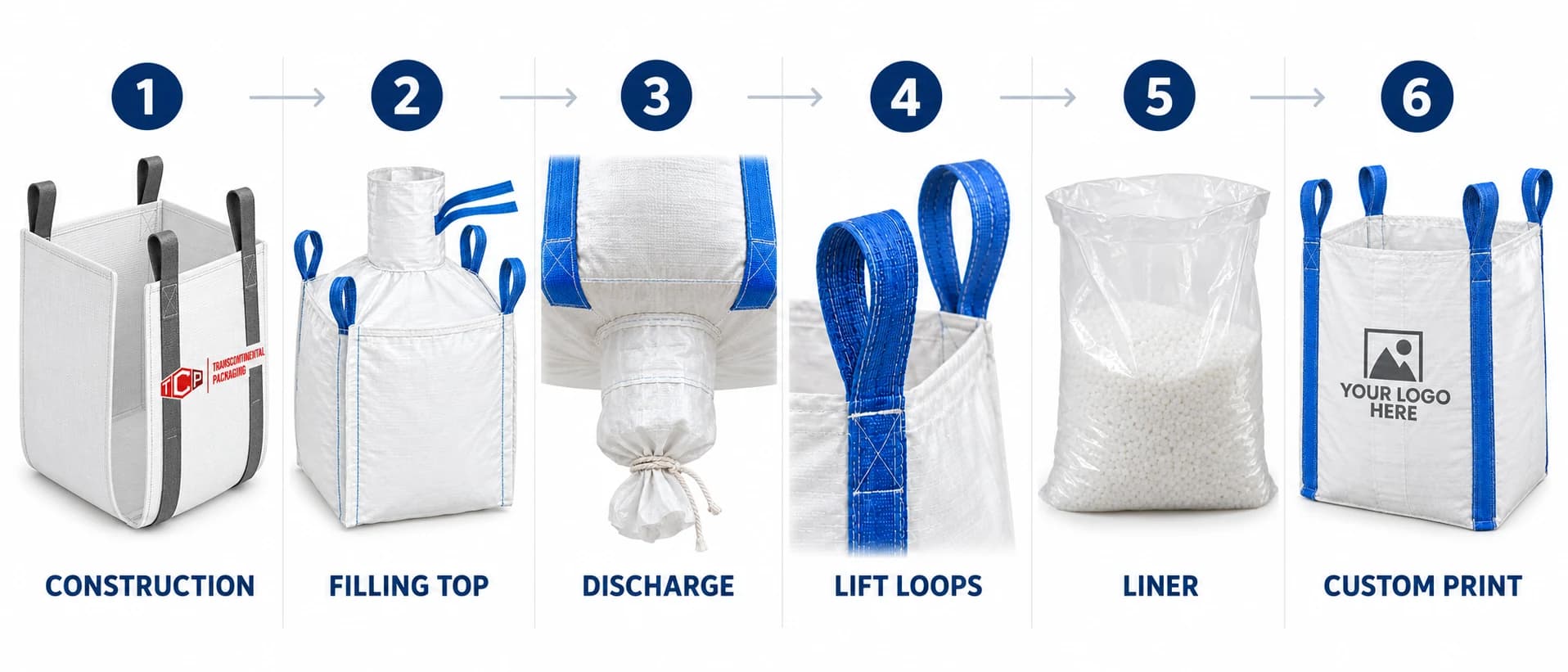
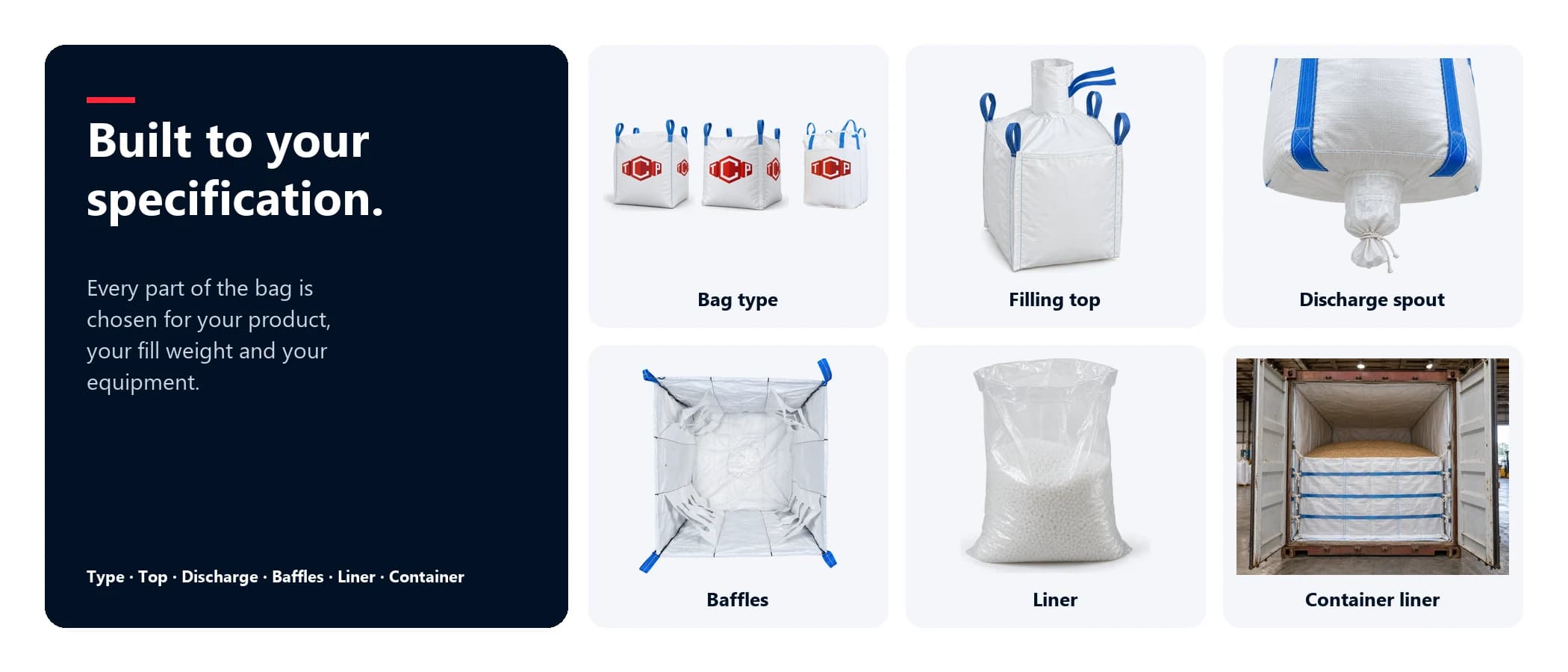
Pecan bulk bags can also be made to your own dimensions, with custom spout sizes and lift loops, conical tops, baffle builds with spout, duffle or open tops, and your logo printed or left plain. We build them for export, for transport and for storage.
| Stage | Usual bag | Why |
|---|---|---|
| Harvest, orchard to plant | Ventilated bulk bag, 1,000 to 4,000 lbs | Air moves through the nuts so they keep drying |
| Cleaning and drying | Ventilated bulk bag, colour coded | Each lot stays separate and easy to find |
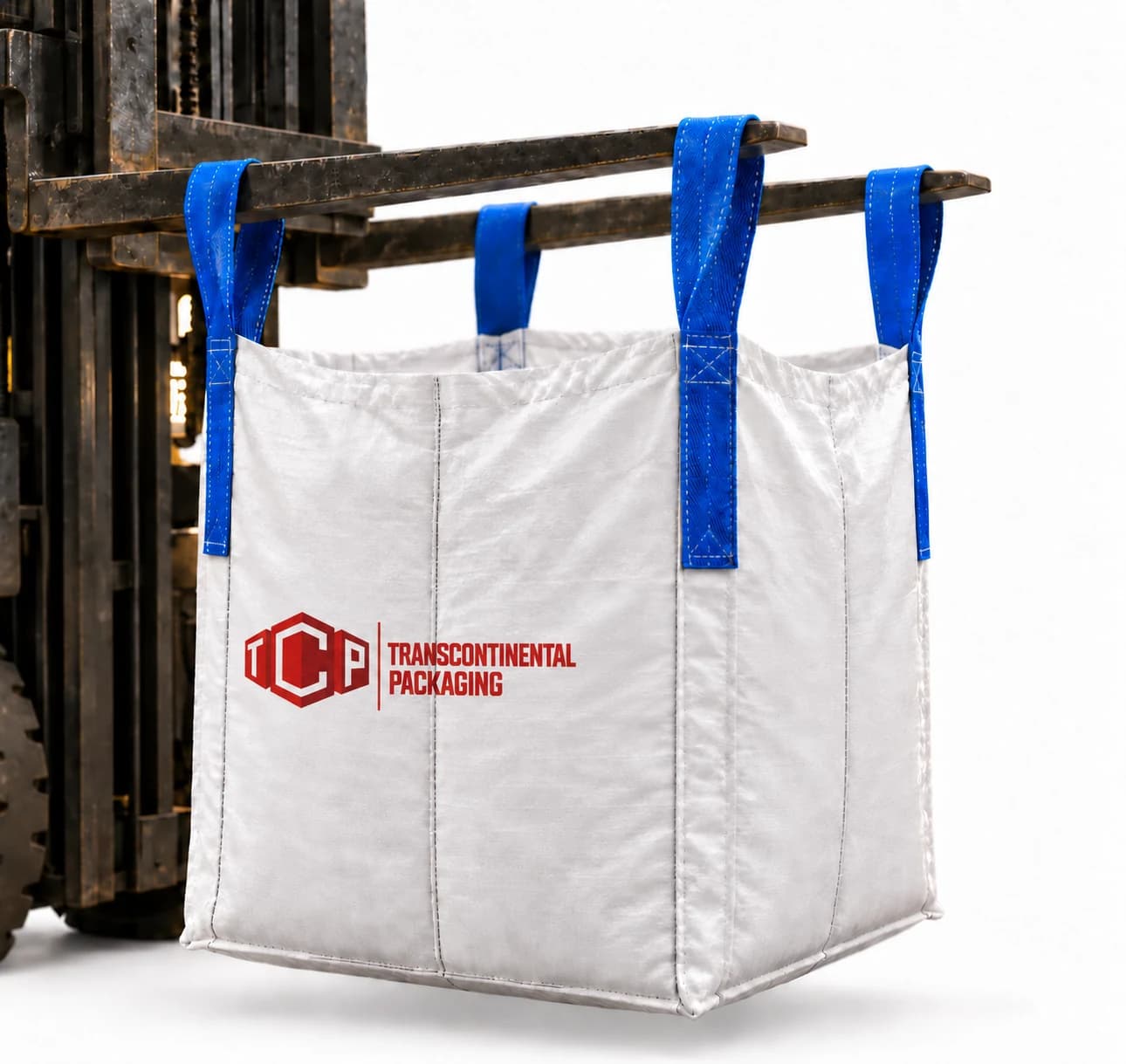
| Storing dried in-shell nuts | Food grade bulk bag, lined if needed | Kept clean and moved by forklift |
| Shelled kernels | Food grade bulk bag with an FDA liner | Kernels spoil faster than nuts in the shell |
| Smaller wholesale orders | Food grade woven pecan sack | Easy to carry and printed with your brand |
Pecan storage: temperature, moisture and smell
The right bag helps, but storage conditions decide how long pecans stay good. Extension guidance from New Mexico State University and the University of Georgia agrees on the basics:
- Dry them first. In-shell pecans should be dried to around 4 to 4.5% kernel moisture before storage, or they can mould and go soft.
- Keep them cold. NMSU gives in-shell pecans about 18 months at 32 to 36°F, about 9 months at 47 to 50°F, and only about 4 months at 70°F.
- Watch the humidity. Air that is too damp brings mould, and air that is too dry pulls out more moisture than you want. UGA pairs 32 to 34°F with about 65% relative humidity.
- Leave them in the shell if you can. In-shell pecans hold their quality longer than kernels.
- Warm them slowly. Nuts coming out of cold or frozen storage should warm up gradually, so water does not condense on the kernels.
- Keep strong smells away. Pecans pick up odours, so store them apart from anything with a strong smell.
This is where the vented bag and the lined bag part ways. Ventilation earns its keep while the nuts are drying. In cold storage, many packers move dried nuts into a lined food grade bag that keeps moisture and odours out.
Pecan bags for sale: what to send with your enquiry
Pecan bags are built around the crop and the plant, so there is no single price list. If you are looking for pecan bags for sale, these details get you an accurate quote fastest:
- In-shell or shelled, and how much each bag holds.
- Where the bag is used: harvest, drying, storage, shelling or shipping.
- How you fill and empty it: open top, duffle top or spout.
- Colours and print: lot codes, your logo, field or grade colours.
- How many you use in a season, and when your harvest starts.
Send them through our quote form and we will come back with a price, or get in touch before harvest if you want to go over the options with someone.
Related pages: pecan and tree nut bulk bags, ventilated bulk bags, food grade bulk bags, FIBC liners, valve and woven sacks, our peanut industry page, and our guide to FIBC liner types. You can also browse our full product range or go back to the Transcontinental Packaging homepage.
Explore our packaging product range or visit the Transcontinental Packaging homepage to learn about our company and the industries we serve.