
Published on
Bulk Bags, Sandbags and Container Liners: Plan the Whole Trip
The truck is booked, the material is ready, and the packaging looks right on paper. Then the receiving team calls: they cannot unload it that way. A choice made at the shipping desk has become someone else's problem at the far end of the trip.
It is a useful scenario to work through before ordering. Bulk FIBC bags, poly woven sand bags and a container liner can each suit a different part of a material's journey. Start with where the load is going and how it will leave the packaging.
Bulk FIBC bags: keep the load in separate units
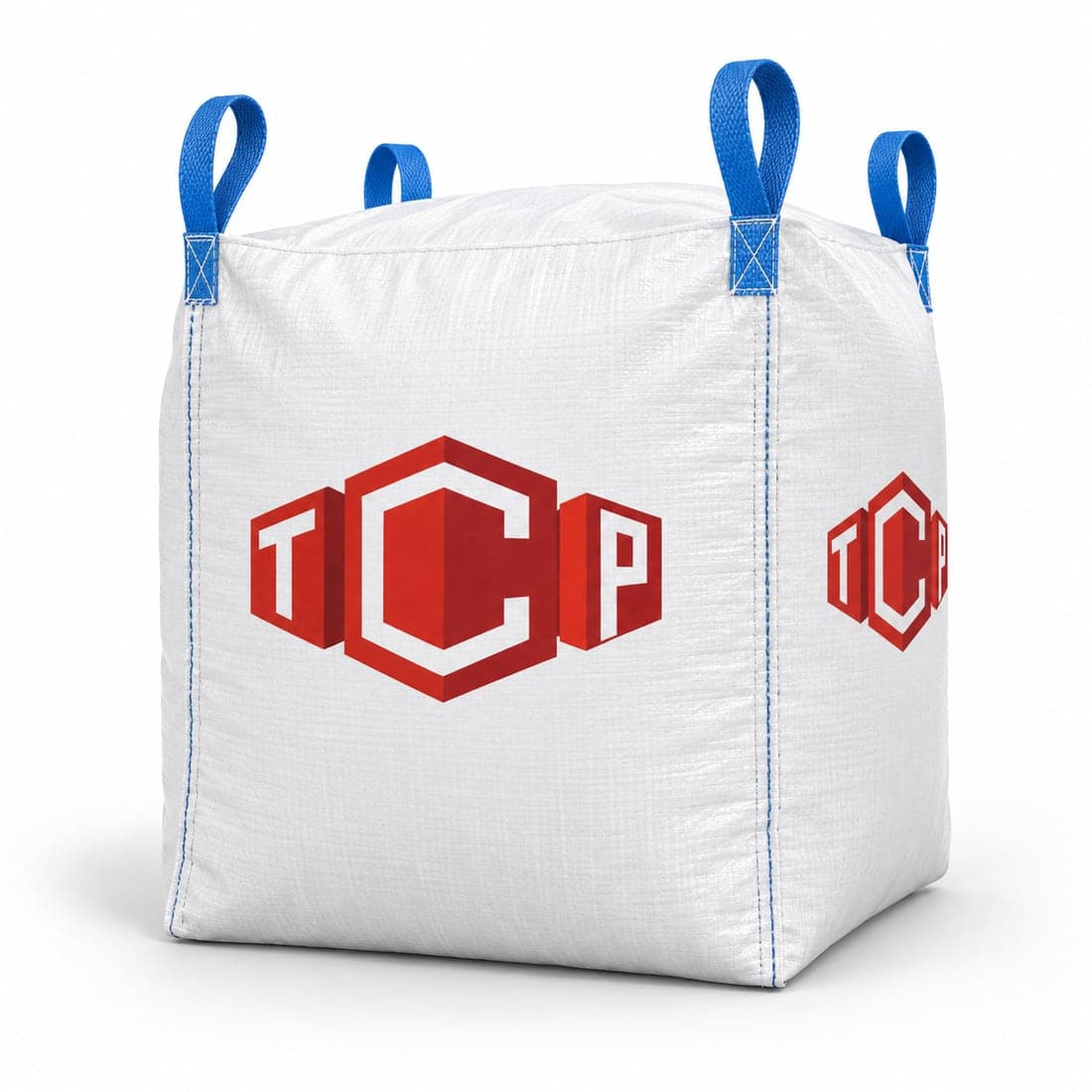
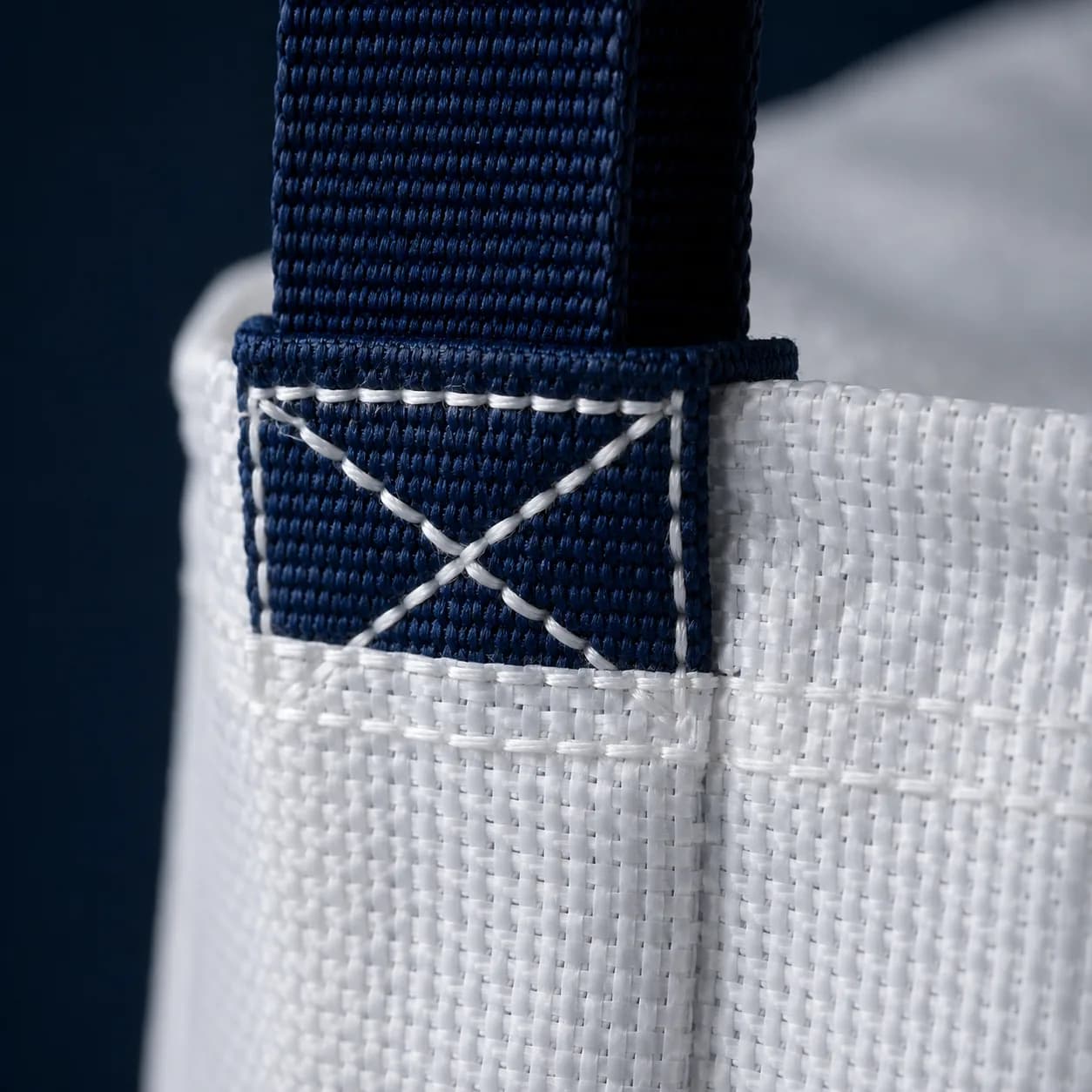
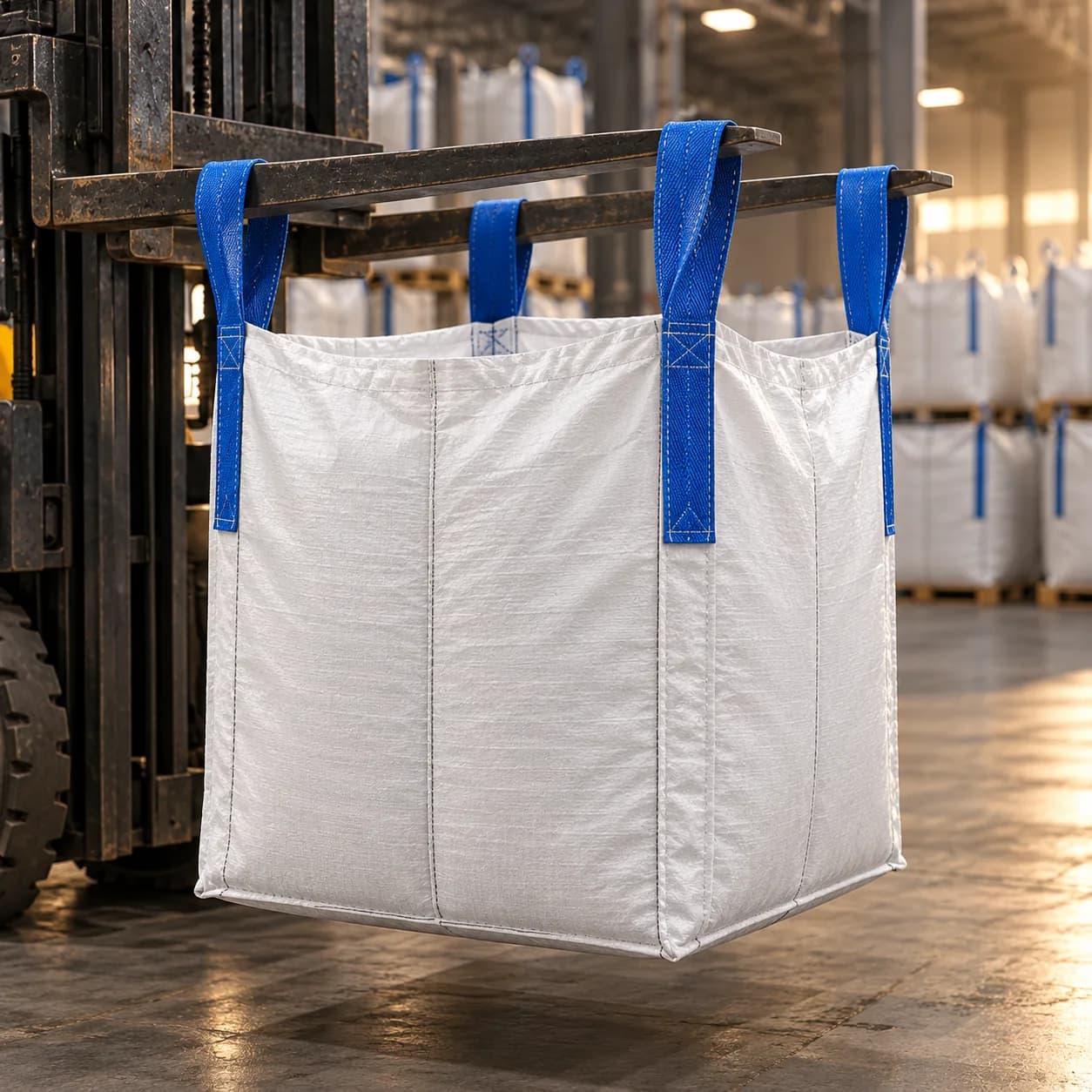
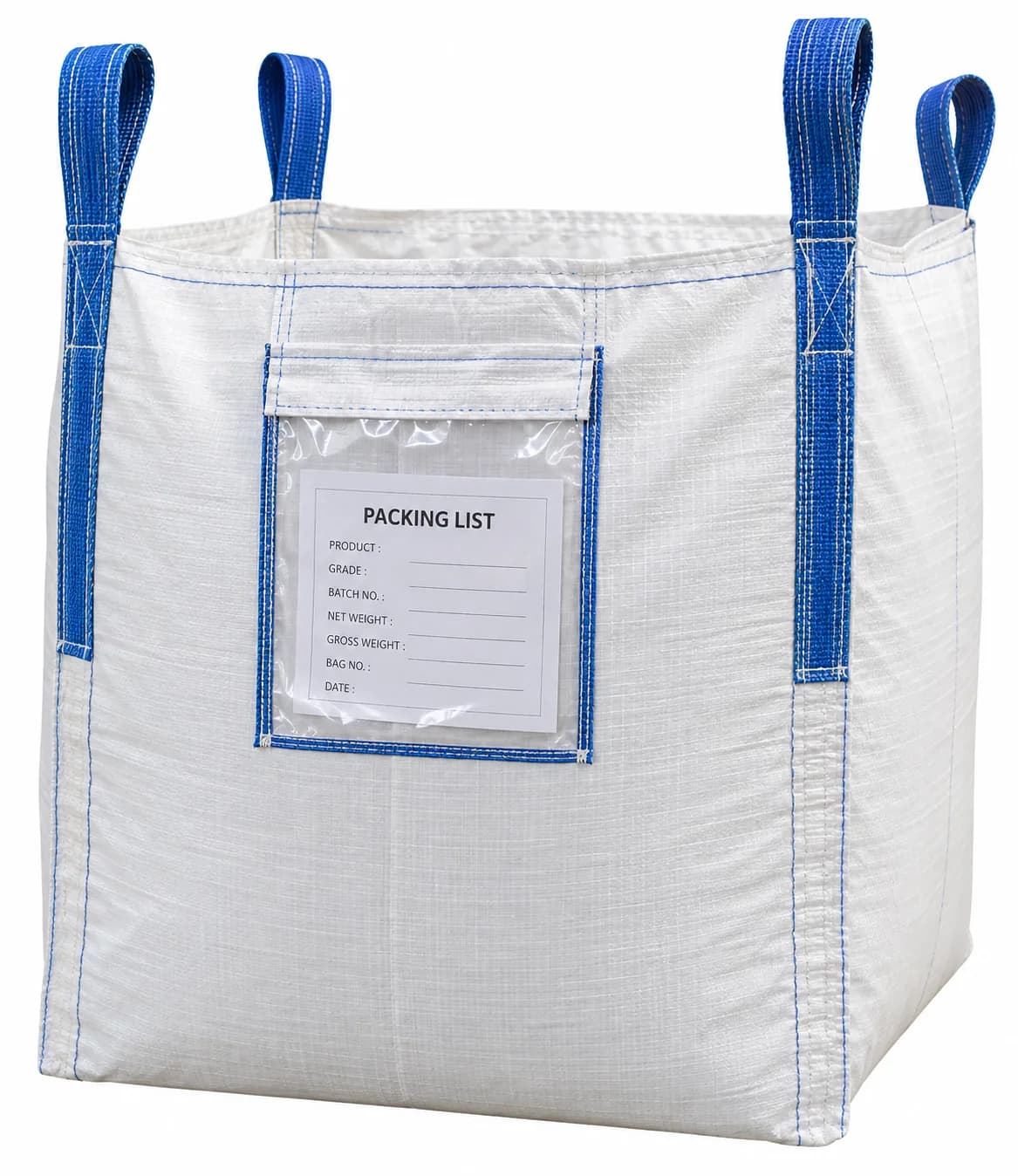
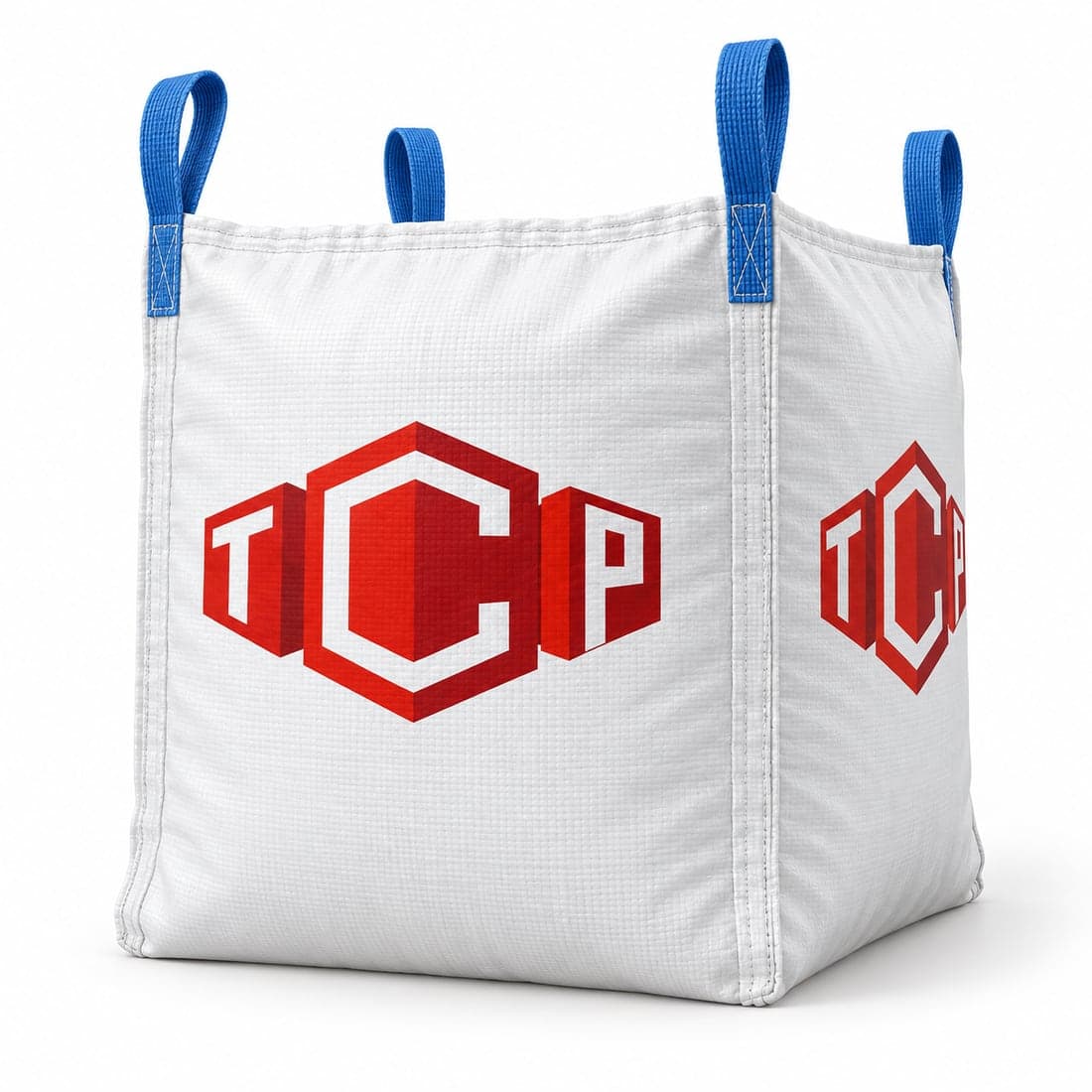
An FIBC is a flexible intermediate bulk container: a large woven bag with lifting loops. Individual bags let you divide an order into separate loads instead of asking the customer to receive an entire container of loose material at once.
That separation can help when different batches need to stay identifiable or a customer wants to empty one bag at a time. But the bag still has to fit the process. Check the filling connection at your plant and the discharge arrangement at theirs. A drawing of both ends can be more useful than another photo of an empty bag.
Ask the recipient to confirm the handling equipment and space available. Agree the fill weight, bag dimensions, rated load, openings and any liner requirement with the supplier. Our FIBC range includes different constructions and static types; the application determines which specification to discuss.
Poly woven sand bags: plan for the work on site
Smaller sandbags come into their own when material needs to be placed in many separate positions, such as temporary ballast or erosion-control work. The purchasing question changes from how much a shipment holds to how the crew will fill, close and position each bag.
Before ordering, decide who will do the filling and where. Allow for storage of empty bags, the filling area and the route to the work site. Specify a fill weight that suits the site's handling plan rather than assuming every bag should be filled to its physical limit.
Our sandbags use woven polypropylene and offer tie-tape or sewn closures. For outdoor use, ask for the specified UV hours rating and discuss the expected exposure. A bag's size tells you little about how it will hold up in the conditions you have in mind.
Container liner: check the receiving end first
A container liner fits inside a shipping container so suitable dry, flowable material can travel loose rather than in individual bags. It is a different arrangement from the smaller liner fitted inside an FIBC.
Transcontinental's container liners are available for 20-foot and 40-foot containers in polyethylene or woven polypropylene. Size is only the beginning of the discussion. The loading connections, liner fittings and discharge method must work with the equipment used at both sites.
Ask the customer to describe the unloading sequence before you settle on this format. Where does the material go when it leaves the container? Who provides the unloading equipment? Can the receiving process accept the shipment in bulk? If those answers are missing, keep the packaging decision open.
| Packaging | Question for the receiving team |
|---|---|
| Bulk FIBC bags | Can you handle and discharge individual bags to the agreed specification? |
| Poly woven sand bags | Where will the bags be filled, closed and placed? |
| Container liner | Can your equipment receive loose material from this container and liner arrangement? |
Make bulk bag supply part of the production plan
Once a packaging specification works, record it with the reorder details. A repeat order should not depend on someone remembering which spout, closure or liner was approved last time.
- Keep the approved drawing and its revision with the purchase order.
- Track how many empty bags are used each week, including seasonal changes.
- Confirm the current production and delivery lead times before setting a reorder point.
- Name the person who must approve a material, dimension or closure change.
- Record filling or unloading problems while the details are still fresh.
Attach the agreed drawing when purchasing requests a repeat quote. A product name alone does not tell the supplier which dimensions, openings or liner your line uses.
Bring both ends of the trip into the conversation
You may need more than one format across your operation. A customer receiving individual bags has different needs from a plant set up for container-load deliveries. Write down the material, shipment size, filling method and receiving method for each route before comparing options.
Contact our team with that outline and any existing bag or liner drawing. We can review the options with you. For individual FIBCs, Build a Bag is a useful place to collect the construction details before you send the request.